Improving Forehand & Backhand Technique
Explore scientific methods to develop forehand and backhand accuracy for squash players of all levels...
Read MoreDiscover advanced training programs and scientific techniques to improve movement speed and agility for squash players, with proven strategies for developing physical performance and motor coordination.
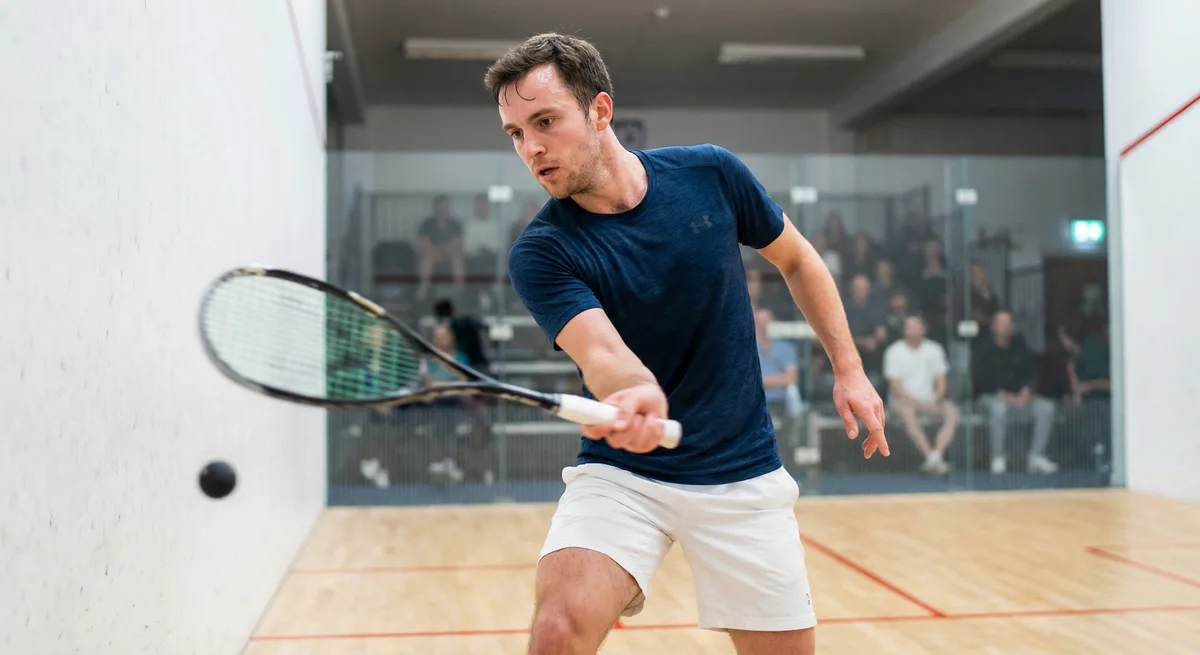
Speed and movement agility are two fundamental elements in a squash player's success on the court. Most technical and tactical movements depend on the ability to change direction quickly, move efficiently in limited spaces, and respond rapidly to sudden changes during a match.
Game analysts observe that players with high speed and good agility are better able to control the ball, evade their opponent effectively, and execute precise shots at the right moment. These skills also contribute to improved defensive performance through effective ball tracking.
Modern training programs focus on developing these skills through specialized drills that combine physical and technical development together, ensuring comprehensive improvement in player performance.
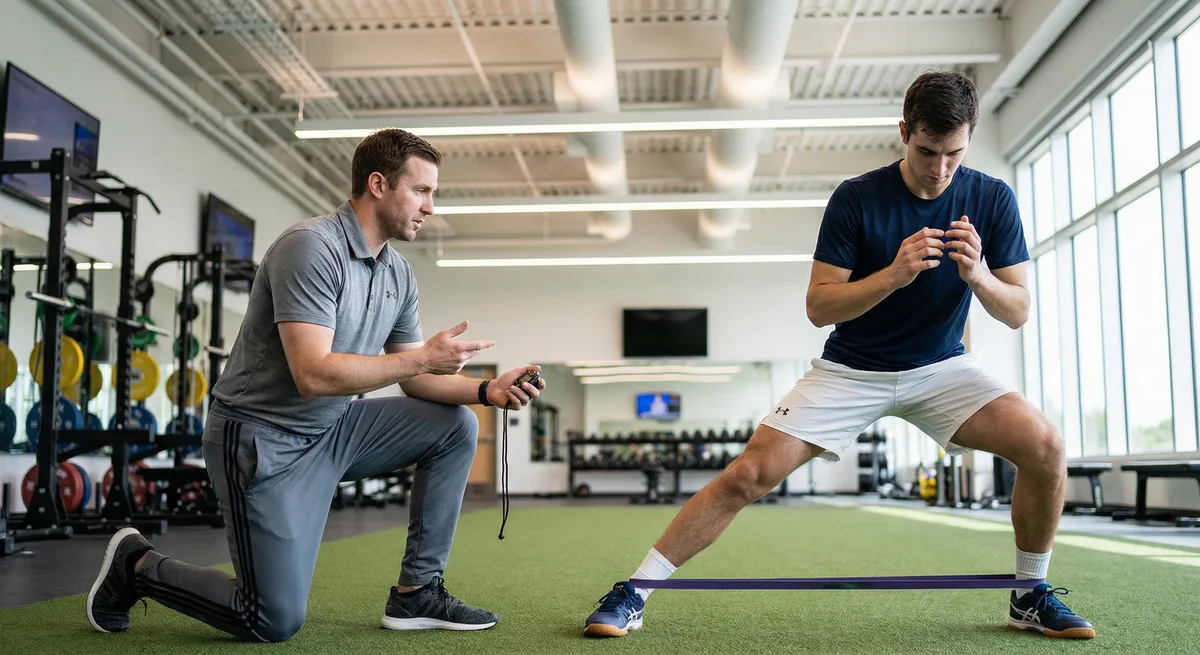
Effective speed development programs rely on proven scientific principles that take into account the player's current level and the goals to be achieved. Integrated training involves several sequential phases, starting with developing the basic physical foundation and then progressing to more specialized advanced drills.
Key Insight: Training studies indicate that combining explosive strength and speed drills produces more effective improvement than focusing on either one alone. Drills should be organized in a progressive manner that allows the body to adapt and develop gradually.
The first phase of the program focuses on building the foundation through core muscle strengthening exercises, especially the legs, core, and back. These muscles provide the stability and power needed to perform fast and safe movements.
In the second phase, the focus shifts to pure speed drills through jumping and high-speed sprinting over short distances. These drills help develop explosive power and rapid muscle response.
Agility drills focus on developing the ability to change direction and speed efficiently while maintaining balance and control. These drills simulate the actual movements a player makes during a match, making them directly relevant to technical performance.
Effective agility drills require high levels of concentration and coordination, as the player must process visual information and make rapid movement decisions simultaneously. This means good training develops not only physical abilities but also neurological and cognitive aspects.
Achieving meaningful improvement in speed and agility requires long-term commitment and systematic application of training. An effective program must include adequate rest periods that allow muscles to recover and adapt to the training load.
It is also important to monitor progress regularly through objective measurements such as sprint times over set distances, or the number of drills completed within a given time period. This helps identify areas that need more focus and adjust the program as needed.
Additional factors such as proper nutrition, adequate sleep, and psychological stability play an important role in the program's success. A player who is physically or mentally fatigued will not be able to perform at their best during training, reducing the program's effectiveness.
It is also recommended to work with specialist coaches who can assess movement patterns and correct any technique issues that may lead to injuries. Injury prevention is an integral part of any successful training program.
The information provided in this article is for general educational purposes only and is not a substitute for specialized professional advice. Individual training programs should be designed by certified coaches who take into account each player's unique physical and health condition.
Before starting any new training program, it is advisable to consult a sports medicine specialist or certified coach to ensure the program is suitable for your specific circumstances. Individual results may vary based on multiple factors such as current fitness level, age, commitment to the program, and genetic factors.